


• Centre block of the New Zealand Parliament, Wellington. The parliament buildings were originally built from wood, and in 1907 everything burned to the ground but the library, which was built from stone and had an iron-fire door. The government took the opportunity to redevelop the legislature under a unified aesthetic; a design contest was held in 1911 and two blueprints by John Campbell were adopted. The design was to be conducted in two phases: the first stage was a neoclassical Parliament House and intended redesign of the Library. Construction began in 1914 and quickly suffered supply shortages due to the onset of the war; while it remained unfinished, politicians began moving into the building in 1918. Stage I was finally completed in 1922, but Stage II never started; consequently, even after designating both Parliament House and the Beehive Category I heritage buildings, Heritage New Zealand admits that taken together, Parliament "has little aesthetic or architectural coherence".

    Parliament House underwent extensive renovations during the 1990s, including earthquake-proofing the structure by splitting the foundation and mounting the structure on what amount to giant springs. Guided tours are performed daily, although access to the public gallery in the house of commons is separate and is only available when the house is in session.

    Original photo taken May 2014. [Submitted to DeviantArt September 2015.](https://www.deviantart.com/el-thorvaldo/art/Parliament-House-559284454)
    Centre block of the New Zealand Parliament, Wellington. The parliament buildings were originally built from wood, and in 1907 everything burned to the ground but the library, which was built from stone and had an iron-fire door. The government took the opportunity to redevelop the legislature under a unified aesthetic; a design contest was held in 1911 and two blueprints by John Campbell were adopted. The design was to be conducted in two phases: the first stage was a neoclassical Parliament House and intended redesign of the Library. Construction began in 1914 and quickly suffered supply shortages due to the onset of the war; while it remained unfinished, politicians began moving into the building in 1918. Stage I was finally completed in 1922, but Stage II never started; consequently, even after designating both Parliament House and the Beehive Category I heritage buildings, Heritage New Zealand admits that taken together, Parliament "has little aesthetic or architectural coherence". Parliament House underwent extensive renovations during the 1990s, including earthquake-proofing the structure by splitting the foundation and mounting the structure on what amount to giant springs. Guided tours are performed daily, although access to the public gallery in the house of commons is separate and is only available when the house is in session. Original photo taken May 2014. [Submitted to DeviantArt September 2015.](https://www.deviantart.com/el-thorvaldo/art/Parliament-House-559284454)
    0 Comments 0 Shares 344 Views
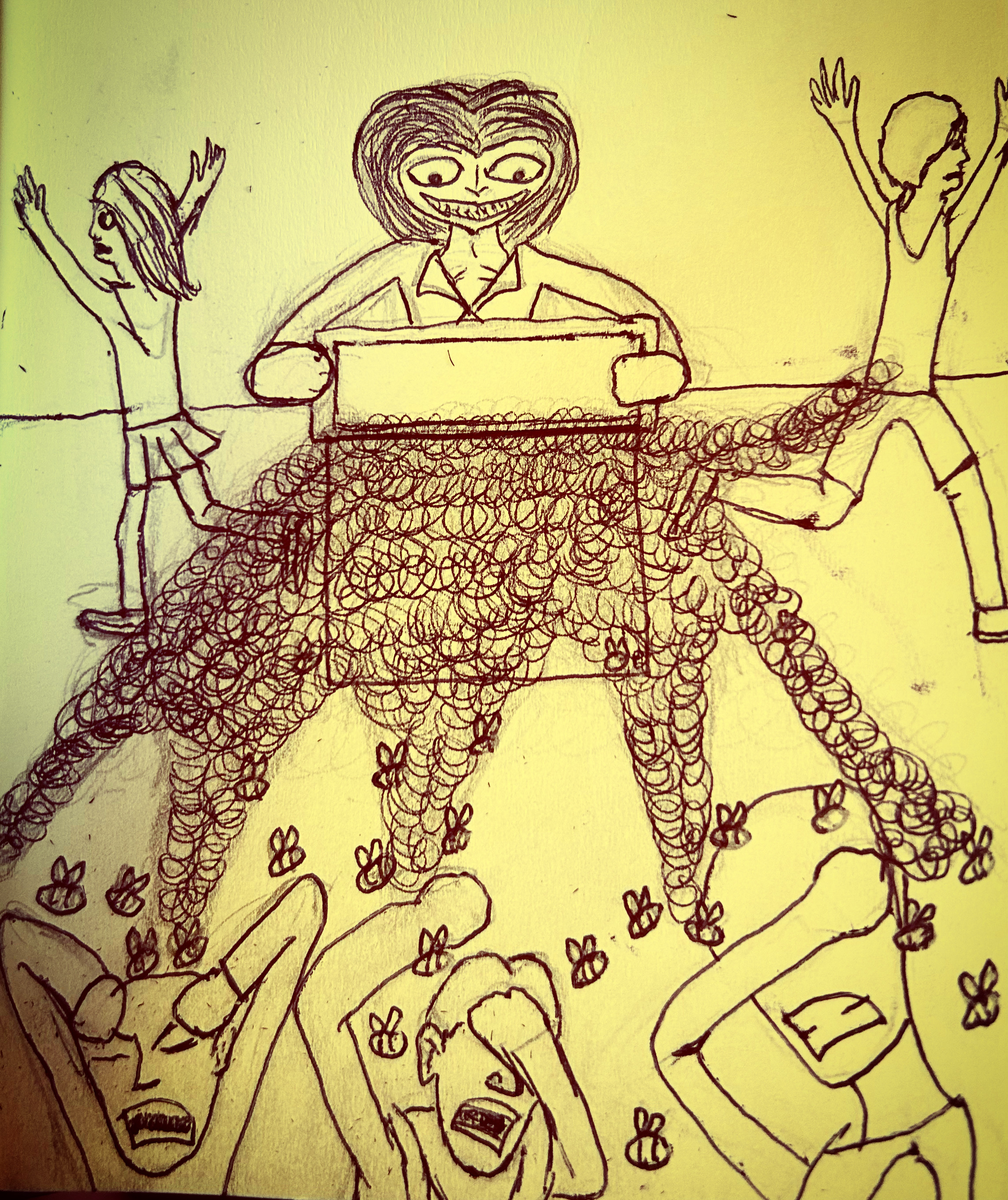
  • Silas has gotten into animal rights activism, but has poor timing skills. Releasing a swarm of bees from their beehives and never fully realising the consequences.
    Silas has gotten into animal rights activism, but has poor timing skills. Releasing a swarm of bees from their beehives and never fully realising the consequences.
    0 Comments 0 Shares 131 Views
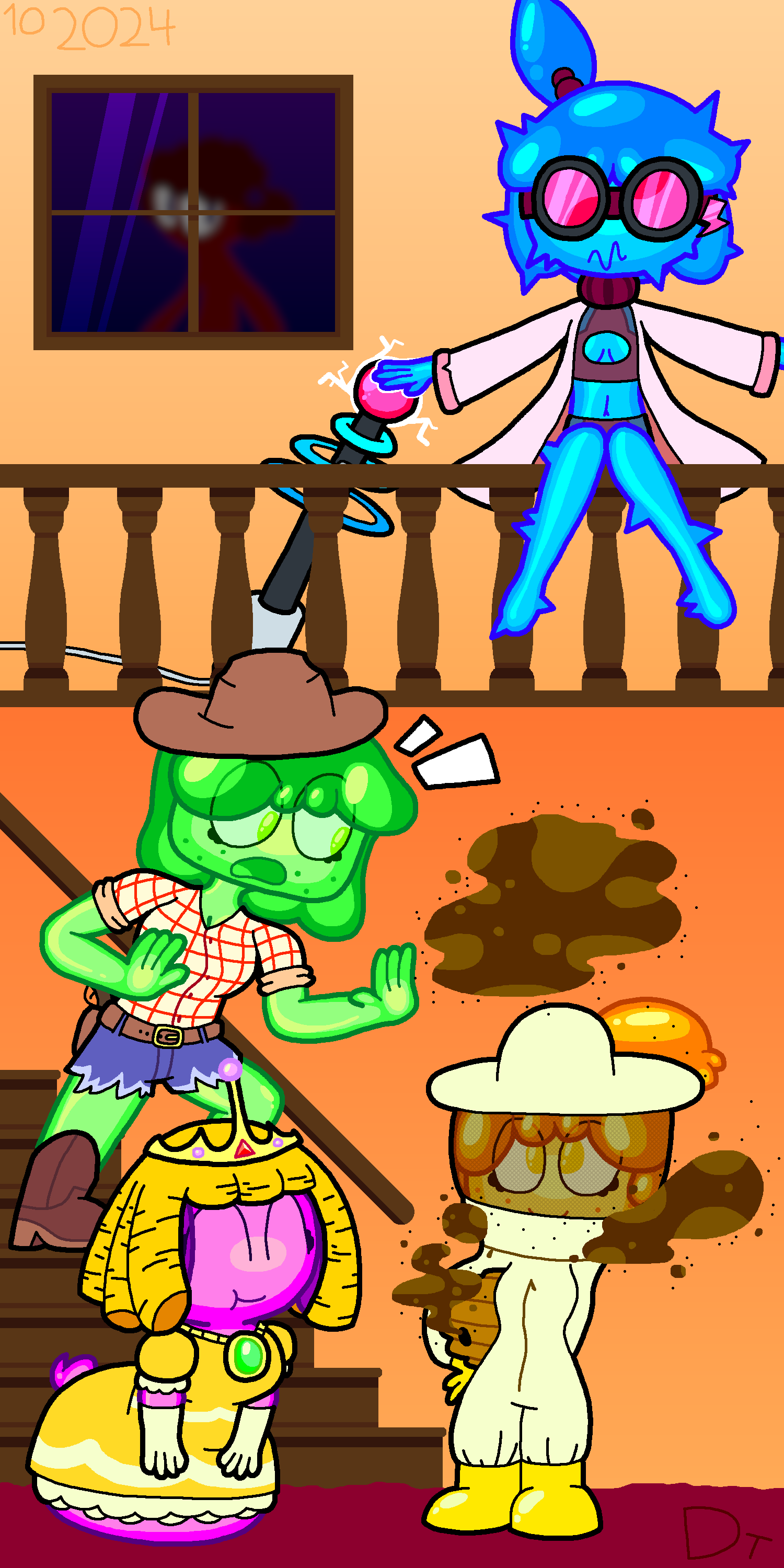
  • Honey really thought it was a novel idea to bring in a real beehive into the building to catch everyone off.
    Honey really thought it was a novel idea to bring in a real beehive into the building to catch everyone off.
    0 Comments 0 Shares 57 Views
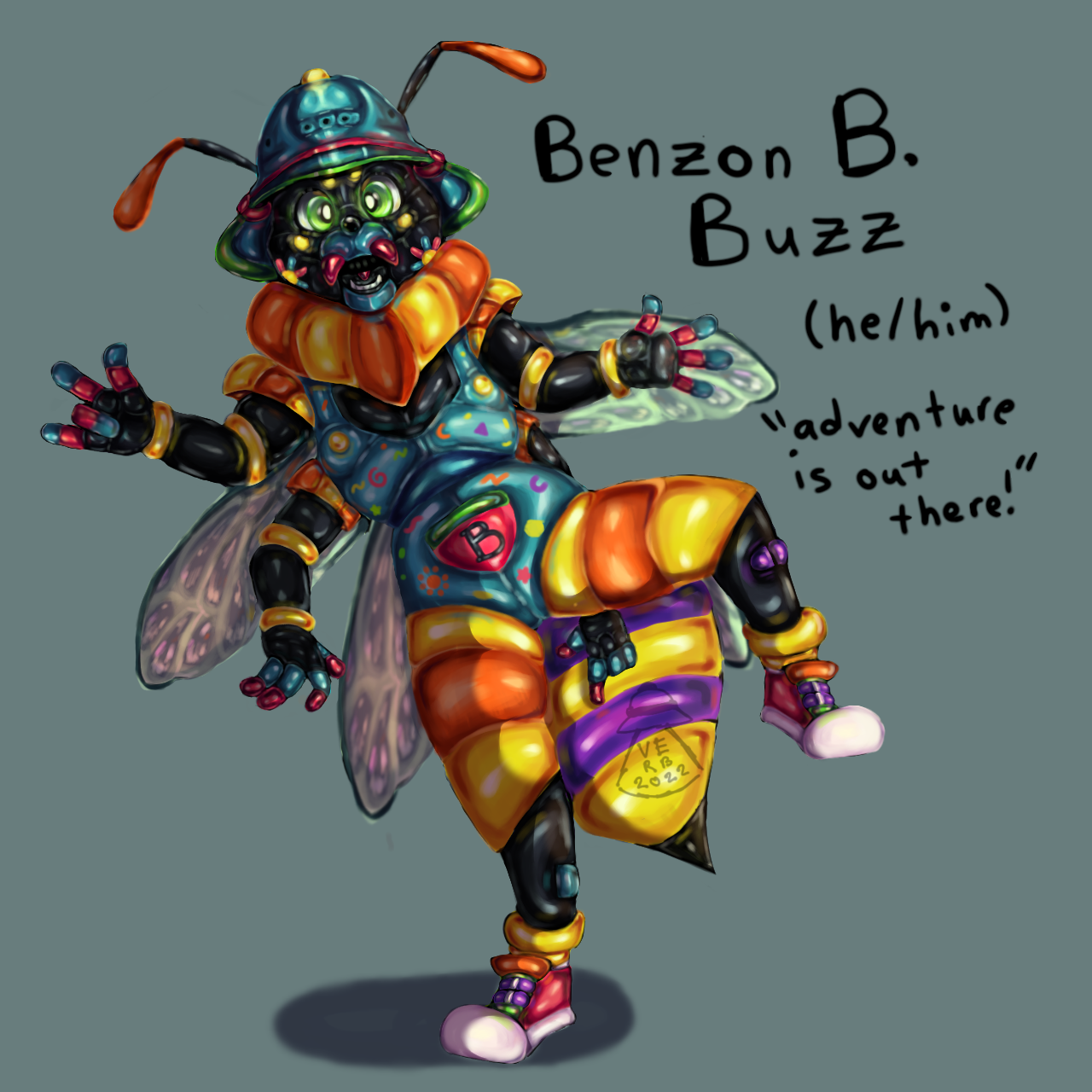
  • not that old but i joined that craze on tiktok of making a security breach oc. the backstory i have for him is that he has his own nature themed/beehive type obstacle course. he is made with lightweight, recycled plastic to show that the company was being environmentally aware.

    he can fly, but for short periods of time, and he is inactive in the dark like actual bees lol
    not that old but i joined that craze on tiktok of making a security breach oc. the backstory i have for him is that he has his own nature themed/beehive type obstacle course. he is made with lightweight, recycled plastic to show that the company was being environmentally aware. he can fly, but for short periods of time, and he is inactive in the dark like actual bees lol
    0 Comments 0 Shares 75 Views
  • I visited the cutest honey booth at a local farmer's market and saw a little gnome figurine with a beehive for a hat!

    #gnomevember
    I visited the cutest honey booth at a local farmer's market and saw a little gnome figurine with a beehive for a hat! #gnomevember
    0 Comments 0 Shares 127 Views
  • Executive Wing of the New Zealand Parliament Buildings, Wellington. Scottish architect Sir Basil Spence provided the conceptual blueprints in 1964 that were subsequently developed by Fergus Sheppard and the Ministry of Works. Construction began in 1969 and lasted ten years; structural design features cutting-edge earthquake-proofing measures later adopted in the refurbishment of Parliament House in the 1990s. Unlike the rest of Parliament, the Beehouse receives only limited attention in the guided tour.

    Original photo taken May 2014. [Submitted to DeviantArt September 2015.](https://www.deviantart.com/el-thorvaldo/art/The-Beehive-559272749)
    Executive Wing of the New Zealand Parliament Buildings, Wellington. Scottish architect Sir Basil Spence provided the conceptual blueprints in 1964 that were subsequently developed by Fergus Sheppard and the Ministry of Works. Construction began in 1969 and lasted ten years; structural design features cutting-edge earthquake-proofing measures later adopted in the refurbishment of Parliament House in the 1990s. Unlike the rest of Parliament, the Beehouse receives only limited attention in the guided tour. Original photo taken May 2014. [Submitted to DeviantArt September 2015.](https://www.deviantart.com/el-thorvaldo/art/The-Beehive-559272749)
    0 Comments 0 Shares 59 Views
  • The Nerites-class mining barge is the largest type of mining vessel currently in existence. At a length of 1,500 meters, this behemoth houses facilities for processing, refining and purifying most types of ore found on asteroids.

    The Nerites incorporates the most advanced technologies developed for mining to date.
    The ship’s massive mining turrets comprise two quantum phase modulated (QPM) laser beams on a rotating fixture. These lasers can modulate their wavelength at will, from infrared for melting material, over visible for precision cutting, ultraviolet for surface ablation and breaking down molecular bonds in hard-to-cut materials, to x-ray for fragmenting ultra-dense materials resistent to longer wavelengths, and even gamma rays to break down nuclear bonds of elements impossible to process with other means.
    At the center of each mining turret is a tractor beam emitter, used to suck in the material broken off by the lasers.
    The ship contains a large hangar housing hundreds of drones, known as the beehive.
    Mining drones are used to harvest deposits too small to warrant training the ship’s large mining laser onto. Prospector drones swarm a potential site to detect any relevant ore deposits. Maintainance drones to maintain and repair the ship’s exterior. Tug drones to move the ship’s detachable cargo containers, and possibly damaged drones.
    The Nerites-class is controlled by three independent AI cores. One controls the mining and processing of materials, one controls the drones, and one is in charge of ship operations. This advanced system makes it possible for the ship to be operated by a crew as small as 200 individuals.
    Armed with 14 medium-class pulse laser turrets (6 at each side, 2 in the back), the Nerites-class is only moderately armed. However, its armor consists of advanced materials and is extremely difficult to crack by anything less than capital-class armaments. In addition, the mining turrets can be used as offense weapons. However, since they are not designed for this purpose, their tracking systems are not fast enough to track anything smaller than large-scale capital ships. Finally, although it is possible to modify some bays within the drone hangar to house combat drones, some miners found ways to add combat protocols to mining drones, making them attach to enemy ships and essentially cutting them to pieces.

    The most famous Nerites-class was the Meridian 14, owned by famous explorer Jackson Ives Castle. While many may think that using a mining ship for exploration is strange, Castle once explained that the idea isn’t as far fetched as one may think. The ship has a long range, spacious accomodation, a massive interior that can be converted into mission-specific spaces, advanced sensors and scanners, and it can sustain itself almost indefinitely, as it can mine and process almost any materials required for synthesis. The mining AI was reprogrammed to analyze and collate sensor data instead.

    ----------

    This was a model I created in May 2011 and figured I'd update it.
    For more information, please check out the Artstation post: https://www.artstation.com/artwork/x3ZxEm
    The Nerites-class mining barge is the largest type of mining vessel currently in existence. At a length of 1,500 meters, this behemoth houses facilities for processing, refining and purifying most types of ore found on asteroids. The Nerites incorporates the most advanced technologies developed for mining to date. The ship’s massive mining turrets comprise two quantum phase modulated (QPM) laser beams on a rotating fixture. These lasers can modulate their wavelength at will, from infrared for melting material, over visible for precision cutting, ultraviolet for surface ablation and breaking down molecular bonds in hard-to-cut materials, to x-ray for fragmenting ultra-dense materials resistent to longer wavelengths, and even gamma rays to break down nuclear bonds of elements impossible to process with other means. At the center of each mining turret is a tractor beam emitter, used to suck in the material broken off by the lasers. The ship contains a large hangar housing hundreds of drones, known as the beehive. Mining drones are used to harvest deposits too small to warrant training the ship’s large mining laser onto. Prospector drones swarm a potential site to detect any relevant ore deposits. Maintainance drones to maintain and repair the ship’s exterior. Tug drones to move the ship’s detachable cargo containers, and possibly damaged drones. The Nerites-class is controlled by three independent AI cores. One controls the mining and processing of materials, one controls the drones, and one is in charge of ship operations. This advanced system makes it possible for the ship to be operated by a crew as small as 200 individuals. Armed with 14 medium-class pulse laser turrets (6 at each side, 2 in the back), the Nerites-class is only moderately armed. However, its armor consists of advanced materials and is extremely difficult to crack by anything less than capital-class armaments. In addition, the mining turrets can be used as offense weapons. However, since they are not designed for this purpose, their tracking systems are not fast enough to track anything smaller than large-scale capital ships. Finally, although it is possible to modify some bays within the drone hangar to house combat drones, some miners found ways to add combat protocols to mining drones, making them attach to enemy ships and essentially cutting them to pieces. The most famous Nerites-class was the Meridian 14, owned by famous explorer Jackson Ives Castle. While many may think that using a mining ship for exploration is strange, Castle once explained that the idea isn’t as far fetched as one may think. The ship has a long range, spacious accomodation, a massive interior that can be converted into mission-specific spaces, advanced sensors and scanners, and it can sustain itself almost indefinitely, as it can mine and process almost any materials required for synthesis. The mining AI was reprogrammed to analyze and collate sensor data instead. ---------- This was a model I created in May 2011 and figured I'd update it. For more information, please check out the Artstation post: https://www.artstation.com/artwork/x3ZxEm
    0 Comments 0 Shares 267 Views
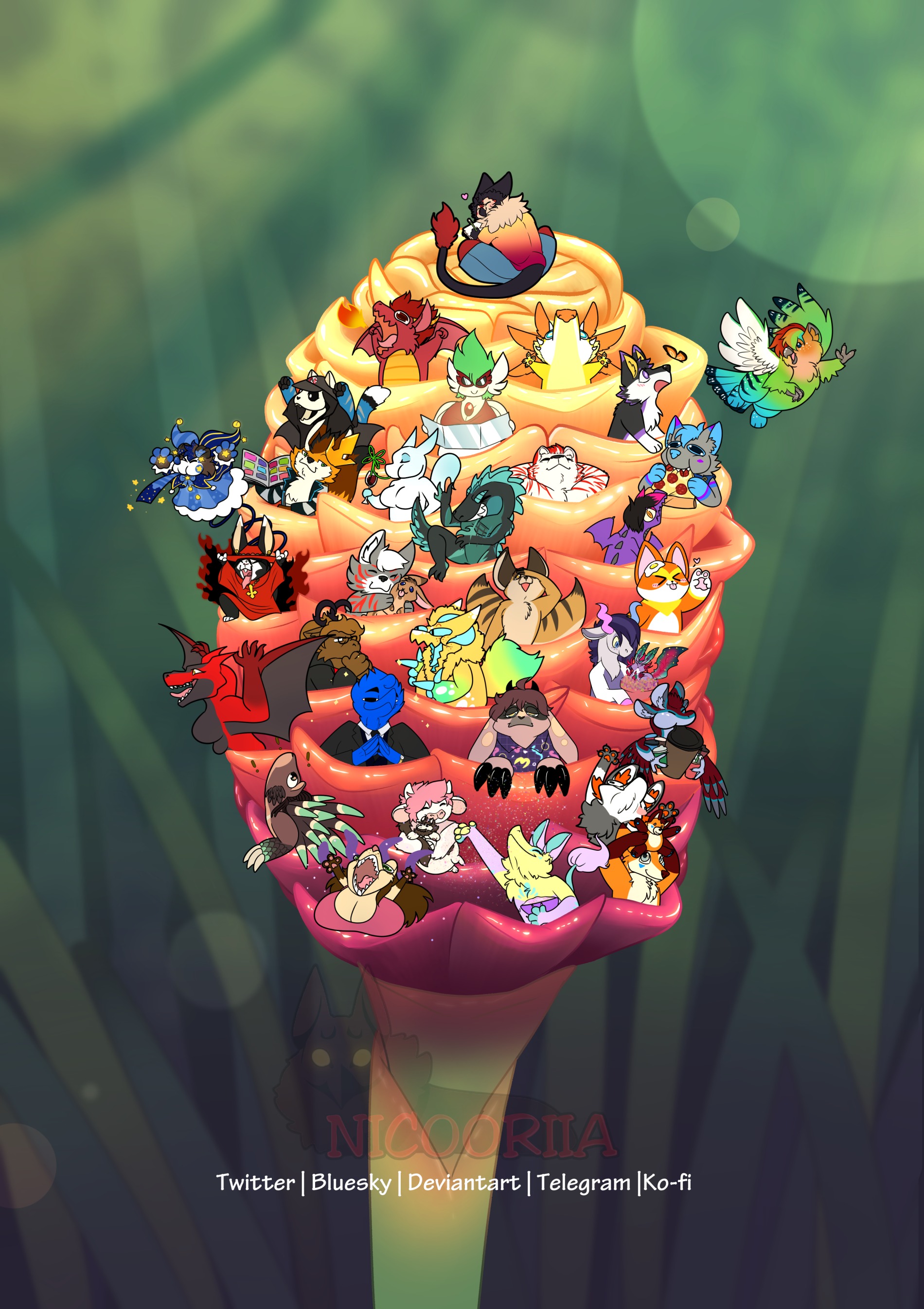
  • A piece with everyone who participated in my Beehive Ginger YCH during ACFI!

    In no particular order, here's everyone who participated! Most of these tags are from twitter, others for BlueSky!

    @Draegonis @Tarionfury, [Confidential Cat], @SinfulLapis @Blazionite foxsquared@Bsky, Miss Gooie, @KatafractK @AxleTruthJune @Spectrepaw @AliPyro @ExeZeffa, Ironwolf113(Angel) @NogitsuneGabe , EggyShiba@Bsky, @GingeraleDragon SherbertDreams, Spotte, @Gameroo Maky Roll, @threetoedsloths @calatrast @Lewdupine @boobledook @JustaPinkCow @/quaver_0316 @foxsmith05 @tinybunner


    DO NOT REUSE OR COPY!
    A piece with everyone who participated in my Beehive Ginger YCH during ACFI! In no particular order, here's everyone who participated! Most of these tags are from twitter, others for BlueSky! @Draegonis @Tarionfury, [Confidential Cat], @SinfulLapis @Blazionite foxsquared@Bsky, Miss Gooie, @KatafractK @AxleTruthJune @Spectrepaw @AliPyro @ExeZeffa, Ironwolf113(Angel) @NogitsuneGabe , EggyShiba@Bsky, @GingeraleDragon SherbertDreams, Spotte, @Gameroo Maky Roll, @threetoedsloths @calatrast @Lewdupine @boobledook @JustaPinkCow @/quaver_0316 @foxsmith05 @tinybunner DO NOT REUSE OR COPY!
    0 Comments 0 Shares 58 Views
  • Logo I did for a friend in Twitter it got her famous much
    #logo #logowork #art #artist #artwork #bee #hive #beehive #commisions open
    Logo I did for a friend in Twitter it got her famous much #logo #logowork #art #artist #artwork #bee #hive #beehive #commisions open
    0 Comments 0 Shares 159 Views
  • So I played the demo for LumenTale: Memories of Trey and I love it so much.

    Definitely a lot of quality of life changes could be made, but the game is great otherwise and of the few animon we've got so far these two caught my attention the hardest.

    Art © LunarFloral.

    Characters © BeehiveStudios.
    So I played the demo for LumenTale: Memories of Trey and I love it so much. Definitely a lot of quality of life changes could be made, but the game is great otherwise and of the few animon we've got so far these two caught my attention the hardest. Art © LunarFloral. Characters © BeehiveStudios.
    0 Comments 0 Shares 57 Views
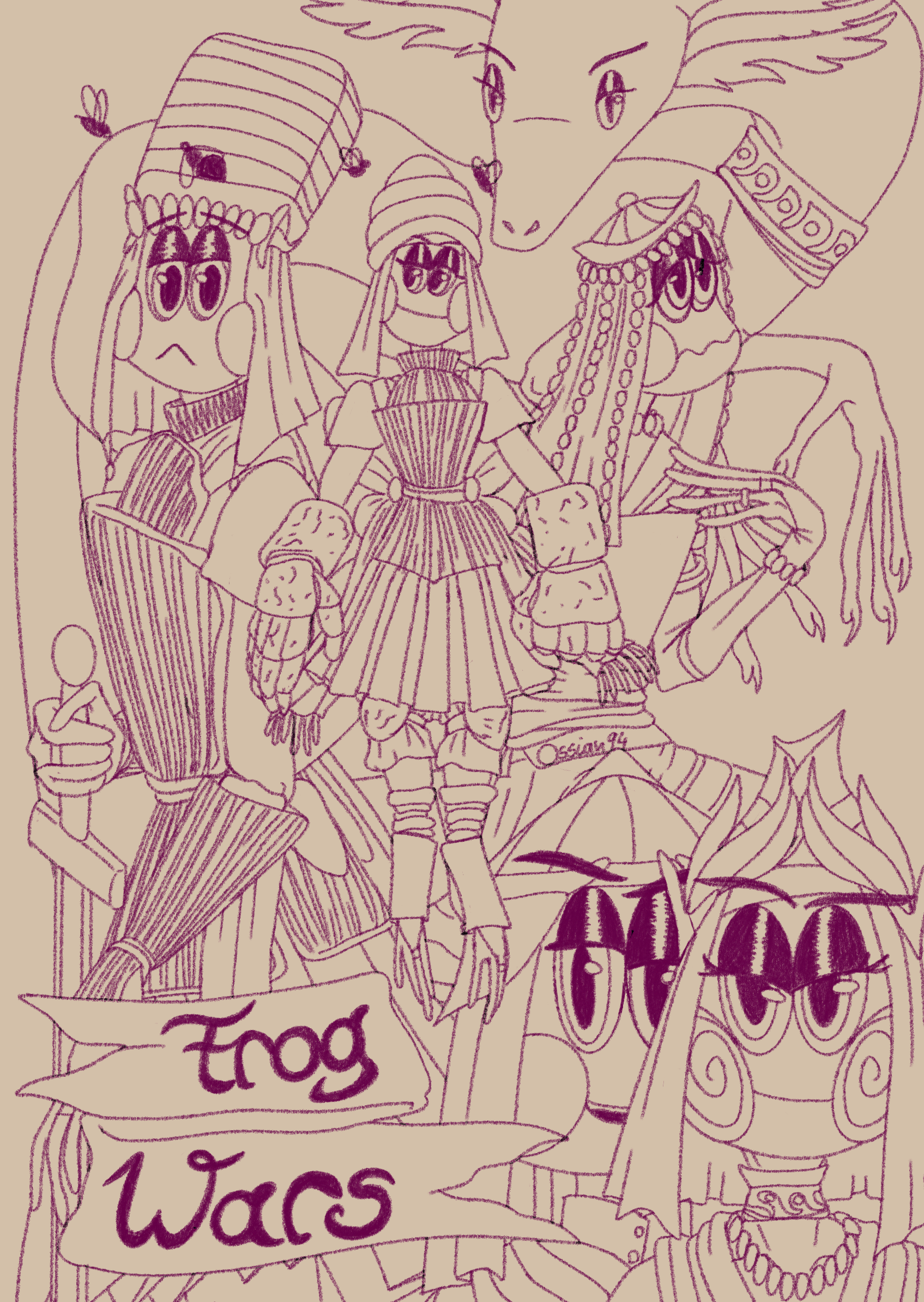
  • This is a bit of an evolution of the frog soldiers I doodled and posted some time ago. While I feel a storyline growing I need a few more daydream sessions to solidify it.

    For now, I've a war between frogs and toads in mind with some drama with the princess of the frogs, Rana (seen in armour in the middle and in her royal attire at the middle right). The other characters still need their proper placement and names but I'll eventually get to it.

    Also, I don't know why the frog military wears various beehives on their heads beyond looking interesting.

    Funfact: this was actually just an experiment to see if I can do a general cover layout
    This is a bit of an evolution of the frog soldiers I doodled and posted some time ago. While I feel a storyline growing I need a few more daydream sessions to solidify it. For now, I've a war between frogs and toads in mind with some drama with the princess of the frogs, Rana (seen in armour in the middle and in her royal attire at the middle right). The other characters still need their proper placement and names but I'll eventually get to it. Also, I don't know why the frog military wears various beehives on their heads beyond looking interesting. Funfact: this was actually just an experiment to see if I can do a general cover layout
    0 Comments 0 Shares 58 Views
InkBlot Art https://beta.inkblot.art